



Francesco Mattana
Francesco Mattana is the author of Eat Like a Sardinian, Live to 100 with over a million followers on Instagram

Francesco Mattana
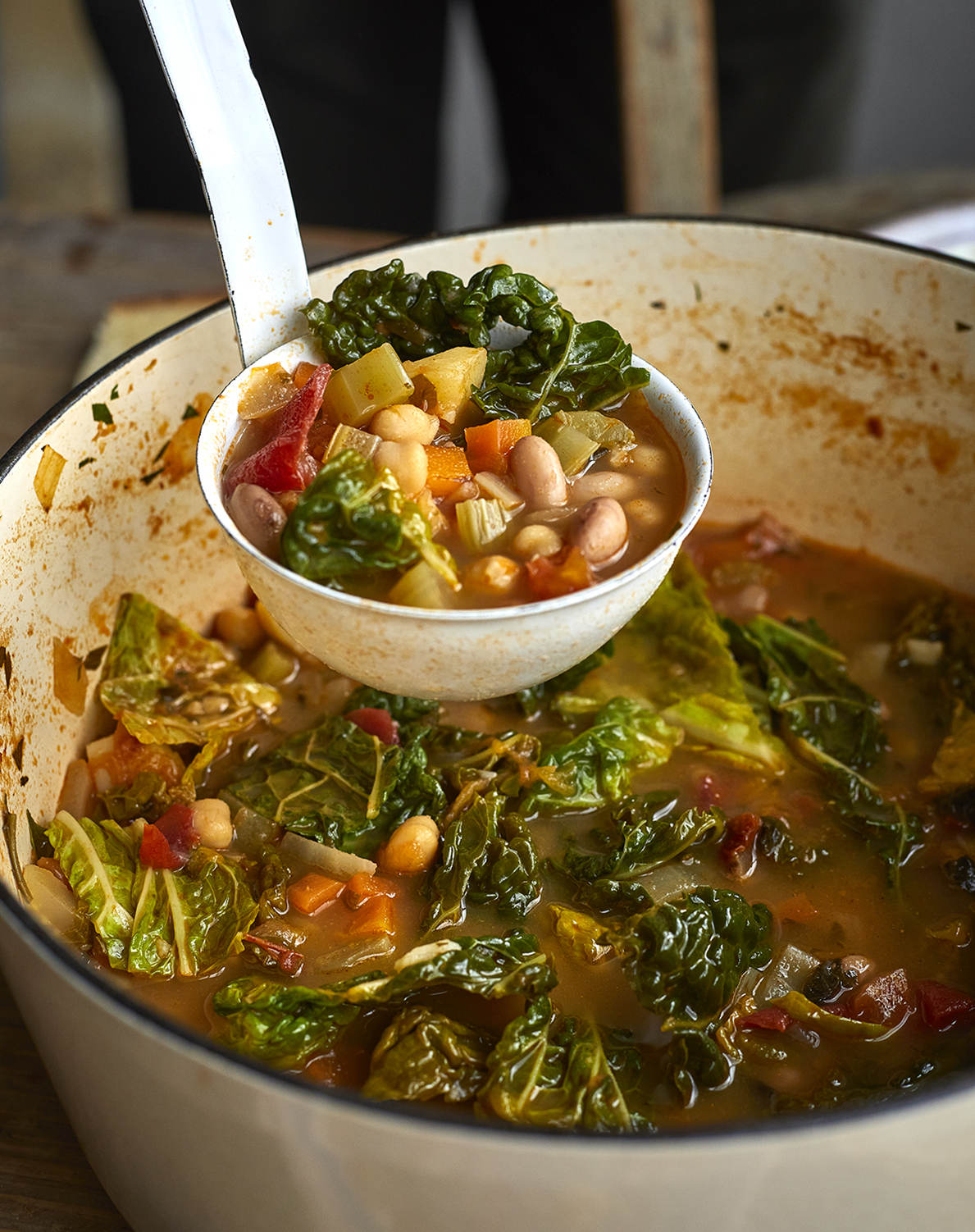
Serves: 4
Prep time: 15 mins (plus overnight soaking if using dried beans)
Cook time: 2 hours (less if using tinned beans)
Ingredients:
100g dried borlotti (cranberry) beans
100g dried chickpeas (garbanzo beans)
1 onion, roughly diced
2 celery sticks, chopped into 1cm (1/2 inch) cubes
1 large carrot, peeled and chopped into 1cm (1/2 inch) cubes
2 tablespoons extra virgin olive oil, plus extra for drizzling
2 garlic cloves, finely chopped
3 sun-dried tomatoes, finely chopped
15g (1/2oz) basil, finely chopped
15g (1/2oz) parsley, finely chopped
3 large tomatoes, roughly chopped (or halved if using small tomatoes)
1 large potato, peeled and chopped into 2cm (3/4) cubes
4 large Savoy cabbage leaves, tough stalks removed and roughly chopped
40g (1 1/2oz) pecorino, grated
fine sea salt and freshly ground black pepper
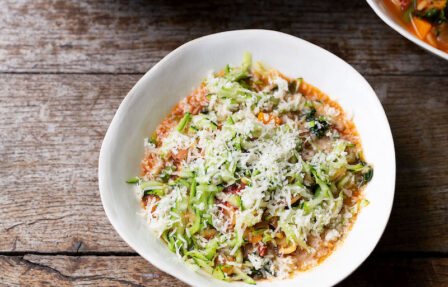
Minestrone is a big deal all over Italy, but the most famous minestrone comes from Sardinia. For many years, this comforting and delicious dish was the main meal in Sardinian households, and our grandparents ate it almost every day. This might sound boring, but actually the recipe would vary depending on what was available and what was in season. Minestrone is a great example of why Sardinia is one of only five ‘blue zones’ in the world and why people here are more likely to live to 100 years old. It’s a simple, accessible dish, packed full of seasonal vegetables and legumes. Even today, minestrone is still something that we eat very often. My advice would be to use my recipe as a guide but try to make it seasonal and make it your own, just like we do in Sardinia. Swap things in and out – if you prefer to use different pulses or different greens, you can try chard (silverbeet), cavolo nero (lacinato kale), courgette (zucchini), cauliflower … the list goes on.
Method:
The night before, wash the beans and chickpeas in cold water. Place them in a large bowl and cover them with fresh cold water; they will expand as they soak, so make sure the container is large enough and there is plenty of water. Cover the bowl and leave them to soak for at least 12 hours (or longer – check the packet).
The next day, drain and then rinse the beans and chickpeas thoroughly with fresh water. Set aside.
Place a large casserole dish (Dutch oven) or ceramic pan over a medium heat. Add the onion, celery, carrots and olive oil and cook for 8–10 minutes, stirring occasionally. Now add the garlic and sun-dried tomatoes and cook for a further 2 minutes. Tear the basil leaves and stir them in along with the chopped parsley and cook for another minute. Next, add the tomatoes and potato, give everything a stir and cook for a further 2 minutes, or until the tomatoes are starting to soften. Add the drained beans and chickpeas and a good pinch of salt and pepper. Cover with water and bring it to the boil. Once boiling, reduce the heat back to medium, cover and cook for 1–1 1/2 hours, or until the beans and chickpeas are soft. If needed, top up with water so that the vegetables are always submerged.
Once the beans and chickpeas are cooked, add the cabbage, cover and cook for a final 10 minutes. Taste and adjust the seasoning before serving.
To serve, use a slotted ladle to divide the vegetables, beans and chickpeas equally between serving bowls, then pour over the warm broth. Sprinkle it with cheese and drizzle over some olive oil.
TOP TIPS
If you want to save time or you are making this at the last minute, you can swap out the dried pulses for 250g (9oz) tinned borlotti beans and 250g (9oz) tinned chickpeas. If using tinned, add them along with the cabbage.
Sometimes we also add fregula or small pasta shapes towards the end of the cooking time, along with some extra water.

Engaging Kids
Kids who engage regularly with veg through veg-themed activities, such as arts and crafts, sensory experiences, growing and cooking are shown to be more likely to eat the veg they engage with. Encouraging kids to engage and play with veg is the handy first step to them developing a good relationship with veg and life-long healthy eating.

Kids in the kitchen
The eventual aim, if possible, is to get kids in the kitchen. Don’t worry, this doesn’t have to mean they are with you from start-to-end creating mess and rising stress levels! It can be as simple as giving them one small job (stirring, measuring, pouring, grating, chopping…) ideally involving veg. They can come in to do their little bit, and have fun with you for a few minutes. Getting them involved, making it playful and praising them plenty for their involvement, perhaps even serving it as dinner they “made”, makes it much more likely they will eat the food offered, not to mention teaching them important life skills. Find ideas, safety tips, videos and even a free chart in our Kids in the Kitchen section here.

Activities
While getting kids to interact with veggies for real and using their senses to explore them is best, encouraging hands off activities like arts & crafts, puzzles & games or at-home science experiments can be a great start, particularly for those who are fussier eaters or struggle with anything too sensory. Use these veg-themed activities as a stepping stone to interacting with the veg themselves. We have loads of crafty downloads here, puzzles here, and quirky science with veg here.

Sensory
Once you feel your child is ready to engage a little more, you can show them how to explore the veg you have on hand with their senses, coming up with playful silly descriptions of how a veg smells, feels, looks, sounds and perhaps even tastes. Find ideas, videos and some simple sensory education session ideas to get you started here.

Serving
The moments before food is offered can be a perfect opportunity for engagement that can help make it more likely a child will eat it! Giving children a sense of ownership in the meal can make a big difference to their feelings going into it and the pride they take in it. You know your child best, but if you aren’t sure where to start, we have some fun and simple ideas for easy roles you can give them in the serving process over here.
Francesco Mattana
Francesco Mattana is the author of Eat Like a Sardinian, Live to 100 with over a million followers on Instagram
Similar recipes
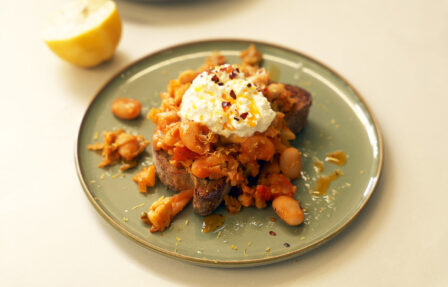
Irina’s Giant White Beans Baked with Carrots & Celery
Irini Tzortzoglou