Skip to content

Rakesh’s Spiced Lentils with Crispbread

Rakesh Ravindran Nair

Featuring:
Pulses_Pile icon
Pulses
Effort:
Complexity:
Cost:
In season now

Serves: 4

Prep time: 30 mins

Cook time: 30 mins

Ingredients:

For the dal:

250g chana dal, cleaned and soaked in water for 30 minutes

½ tsp turmeric powder

1 tsp salt

3 cups water

4 tbsp oil

1 tsp cumin seeds

¼ tsp asafoetida

1 sprig curry leaves

2 onions, chopped

2” piece of ginger, chopped

4 green chillies, slit lengthways

½ tsp Kashmiri chilli powder

2 tomatoes, chopped

1 tbsp tamarind paste

½ tsp amchoor powder

Juice of ½ lemon

1 tbsp coriander leaves, chopped

For pakwan:

2 cups plain flour

½ tsp cumin seeds

½ tsp carom seeds

3 tbsp ghee or oil

½ tsp Kashmiri chilli powder

½ tsp salt

1 cup water

Oil for frying

Share:

Dal pakwan is a much-loved Sindhi dish that brings together comforting, spiced chana dal and crisp, golden flatbread. Topped with fresh onion, tomato and coriander, it makes a vibrant and satisfying meal.

Method:

Drain the dal, add turmeric powder, salt and 3 cups of water and cook till the dal is tender but not mushy.

To make the bread dough, mix all the ingredients together to make a chapatti like dough. Rest it for 20 minutes.

To finish the dal, heat the oil in a pan, add cumin seeds followed by asafoetida and curry leaves and let them splutter. Now add half the onions and cook till soft. Add the chilli powder followed by ginger, green chillies and half the tomatoes and cook till soft. Add it to the dal along with tamarind and amchoor and let it simmer for 3-4 minutes. Squeeze in the lemon, remove from heat and keep warm.

Divide the dough into 12 portions and roll out each like a chapatti. Prick it with fork to stop from puffing up while frying. Heat the oil to smoking point and fry each pakwan till it turns crisp and golden brown in colour.

Divide the dal into four and sprinkle the remaining onion, tomato and coriander leaves on top. Serve with the bread.


Engaging Kids

Engaging Kids

Kids who engage regularly with veg through veg-themed activities, such as arts and crafts, sensory experiences, growing and cooking are shown to be more likely to eat the veg they engage with. Encouraging kids to engage and play with veg is the handy first step to them developing a good relationship with veg and life-long healthy eating.

Kids in the kitchen

Kids in the kitchen

The eventual aim, if possible, is to get kids in the kitchen. Don’t worry, this doesn’t have to mean they are with you from start-to-end creating mess and rising stress levels! It can be as simple as giving them one small job (stirring, measuring, pouring, grating, chopping…) ideally involving veg. They can come in to do their little bit, and have fun with you for a few minutes. Getting them involved, making it playful and praising them plenty for their involvement, perhaps even serving it as dinner they “made”, makes it much more likely they will eat the food offered, not to mention teaching them important life skills. Find ideas, safety tips, videos and even a free chart in our Kids in the Kitchen section here.

Activities

Activities

While getting kids to interact with veggies for real and using their senses to explore them is best, encouraging hands off activities like arts & crafts, puzzles & games or at-home science experiments can be a great start, particularly for those who are fussier eaters or struggle with anything too sensory. Use these veg-themed activities as a stepping stone to interacting with the veg themselves. We have loads of crafty downloads here, puzzles here, and quirky science with veg here.

Sensory

Sensory

Once you feel your child is ready to engage a little more, you can show them how to explore the veg you have on hand with their senses, coming up with playful silly descriptions of how a veg smells, feels, looks, sounds and perhaps even tastes. Find ideas, videos and some simple sensory education session ideas to get you started here.

Serving

Serving

The moments before food is offered can be a perfect opportunity for engagement that can help make it more likely a child will eat it! Giving children a sense of ownership in the meal can make a big difference to their feelings going into it and the pride they take in it. You know your child best, but if you aren’t sure where to start, we have some fun and simple ideas for easy roles you can give them in the serving process over here.

Image of Rakesh Ravindran

Rakesh Ravindran Nair

Born in Varkala, Kerala, Rakesh discovered his passion for cooking in his mother’s kitchen and went on to win the All India Student Chef Competition in 1997/98. After moving to London in 2002, he rose to Head Chef at The Cinnamon Club and now develops seasonal menus, trains chefs and champions sustainability across Cinnamon Collection.

Similar recipes

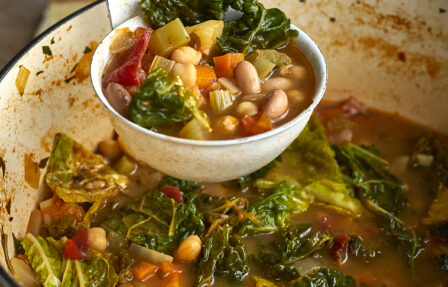
Image of Francesco Mattana's Live to 100 minestrone soup

Francesco’s “Live to 100” Minestrone

Effort: 2
Complexity: 2
Cost: 2

Francesco Mattana

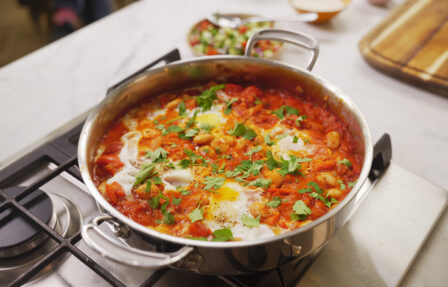
Sophie’s Beany Shakshuka

Effort: 2
Complexity: 2
Cost: 3

Sophie Gastman

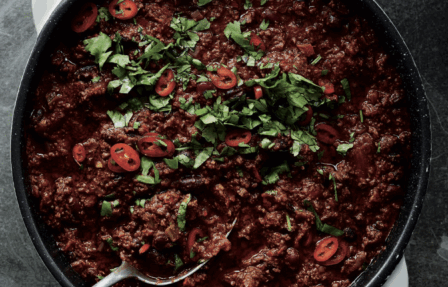
ultimate chilli

BOSH! Ultimate Chilli

Effort: 2
Complexity: 3
Cost: 2

BOSH!

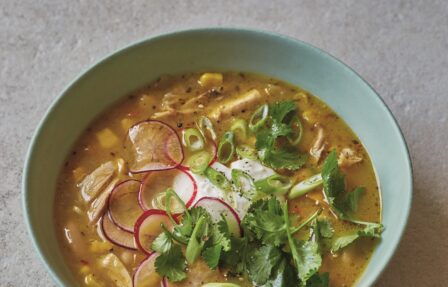
white chicken bean chilli

Melissa’s White Chicken & Bean Chilli

Effort: 3
Complexity: 2
Cost: 2

Melissa Hemsley