
Spring Onions


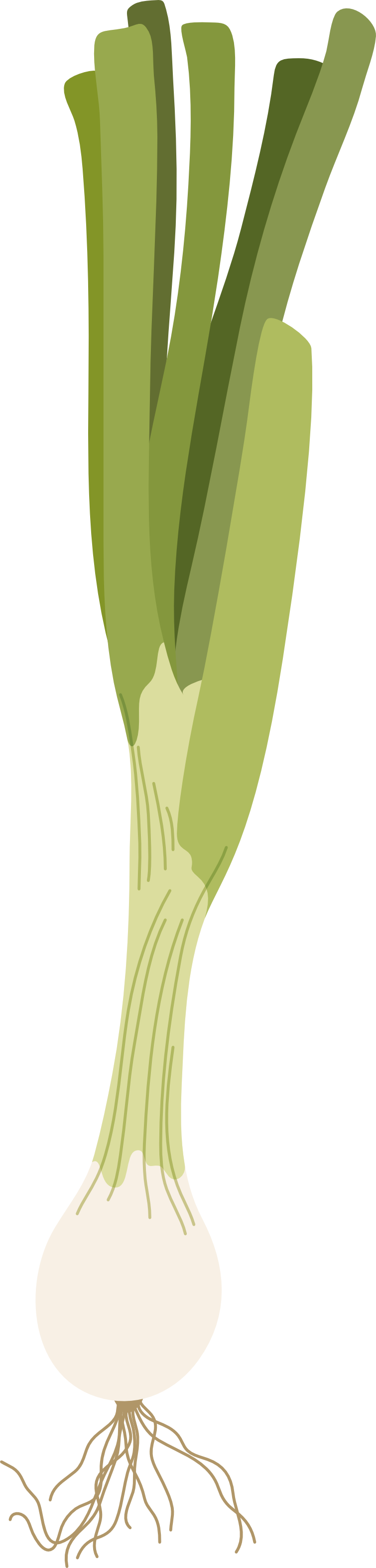
Did you know you can regrow your store bought spring onions in just a jar of water? Simply cut off the white ends of the spring onions about an inch long leaving the roots attached. Place these in a jar submerging just above the roots in water and let this sit by the window sill, changing the water every few days. Watch out for your new free spring onions!

Nutrition
They are a great source of vitamin K to meet your Recommended Dietary Allowance (RDA) supporting blood clotting and an essential role in bone health.

Shopping Guide
Try and go for vibrant green leaves avoiding those that are slimy or wilting but don’t overlook any in the reduced section of your supermarket. Often found here the bulbs can be saved and cut off to regrow your new ones at home.

Storage
To store, they’ll keep on the counter for a couple of days, but up to 2 weeks if sealed in an airtight bag or container in the fridge.

Preparation
Spring onions are usually added to salads or as a finishing flavour to top some Mexican or Asian recipes, but their lovely mild taste makes a great addition to lots of dishes. Grill or BBQ to char and bring sweetness, or pop them into soups, or fry gently at the base of a sauce or meal to bring a little extra flavour.

Kids in the Kitchen
For a younger child, let them wash and peel the spring onions, chop the roots off, and tear the tops for sprinkling over a stir-fry or salad.
For an older child, practise knife skills using the claw grip to slice the onions. They could also try making guacamole with avocado, lime, coriander, and spring onions, perfect for snacktime or topping tacos.
Find more ideas for involving kids in the kitchen here.

Sensory
Try describing what you see and feel when you look at a spring onion closely. What does it look like? What does it remind you of? Does it look like something else when you look at a bunch together? What do the roots feel like? What about the tops and sides? Does it feel different? Use your imaginations to come up with fun ways of describing and comparing.
Find more sensory ideas, tips and videos here. If you get stuck and need a little help with describing words, we have a selection for you here, too!

Serving
Next time you make a meal that includes spring onions, why not ask your child to help you with one small step in the preparation (maybe washing them and sprinkling over at the end), then see if they want to help you serve it as “their” meal.
Find the best ways of involving your own child and their skills and interests on our Roles for Kids page.

Activities
Try making a mixed-media piece of art inspired by a spring onion. Use pens, pencils, watercolours, or magazine collage to capture the green and white layers, details, and textures.
Kids into science? Try re-growing spring onions! Place the roots with about an inch of white onion in a jar of water, change the water daily, and watch new growth. Keep a video or written journal of the process.
You can find more at-home science fun with veg with our videos from Stefan Gates’ here.

Seasonality
Buying veg in season is not only great for the planet, it can be good for your wallet, too! Spring onions are actually available year-round, but as their name suggests, you may find the best flavour and value over the spring season.
At Its Best:
January - December

Your Food
Spring onions are milder than raw onions, with a slightly radish-like spiciness. They add crunch and a kick raw, and a gentle sweetness when cooked. Try them in these recipes or add to your family favourite dishes.
Recipe Inspiration




Jamie’s Sweet Potato Quesadilla with Smash-It-Up Salad
Jamie Oliver MBE


The Wonderful World of Veg
Check out our vegepedia. When to buy in-season. How to store them to keep for longer. How to engage children with each veg, and simple ideas of how to prepare and cook them for maximum taste and minimum waste. Select a veg…